
Optimal Timing for Landscaping Projects
Landscaping projects are most effective when scheduled during periods of optimal weather conditions. Proper timing ensures healthy plant growth, efficient installation, and long-lasting results. Understanding seasonal patterns helps in planning landscaping activities for aesthetic appeal and durability.
Spring offers moderate temperatures and increased rainfall, ideal for planting and establishing new landscapes.
Summer is suitable for ongoing maintenance and certain hardscaping projects, with longer daylight hours.
Fall provides cooler weather and better soil conditions for planting, with less stress on plants.
Winter is best for planning and designing; some hardscaping can be done in milder climates.
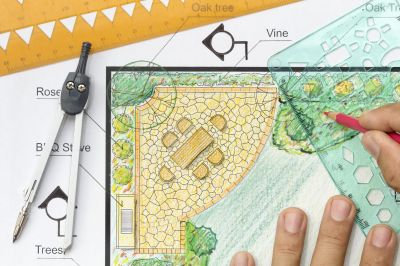
Ways to make Landscapings work in tight or awkward layouts.
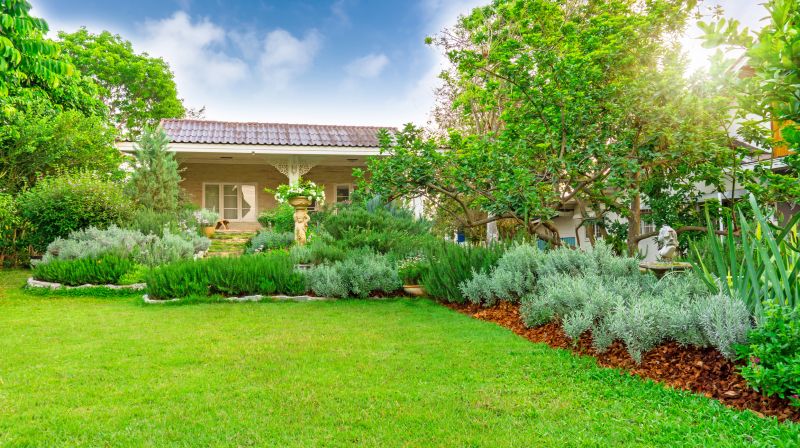
Popular materials for Landscapings and why they hold up over time.
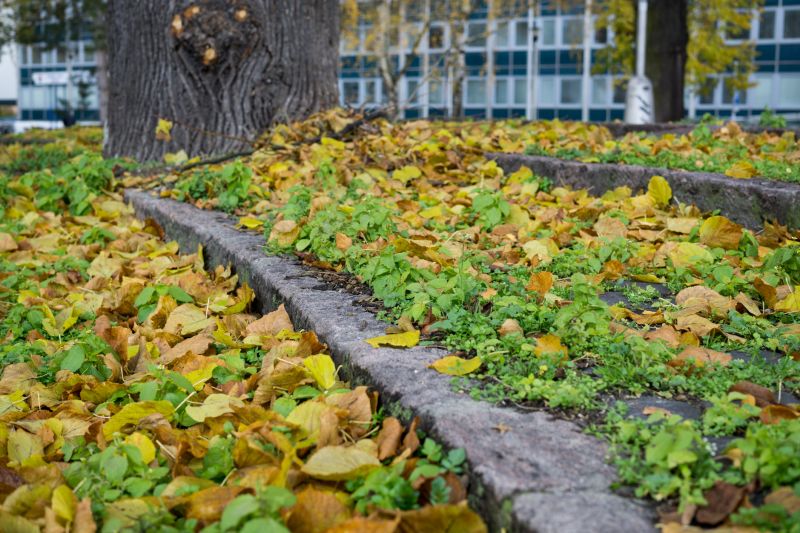
Simple add-ons that improve Landscapings without blowing the budget.
| Season | Optimal Activities |
|---|---|
| Spring | Planting, soil preparation, landscape installation |
| Summer | Maintenance, hardscaping, irrigation setup |
| Fall | Planting, soil amendment, landscape enhancement |
| Winter | Design planning, site preparation in mild climates |
High-end options that actually feel worth it for Landscapings.
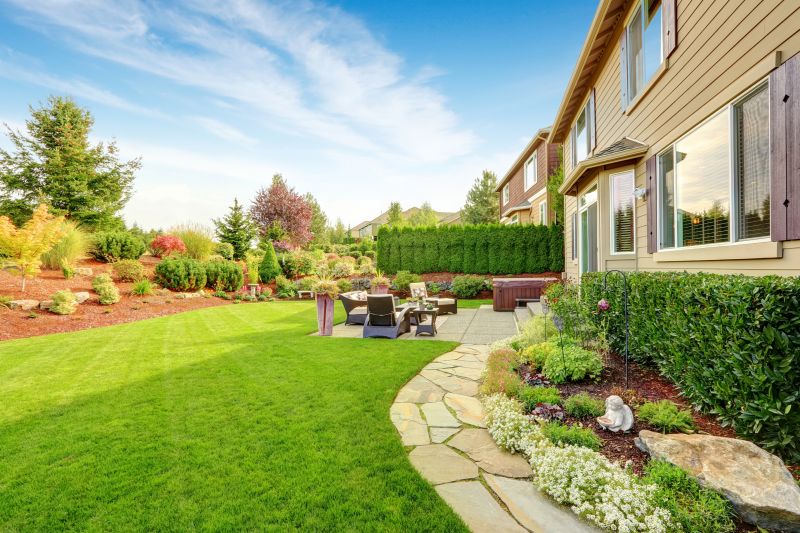
Finishes and colors that play nicely with Landscapings.
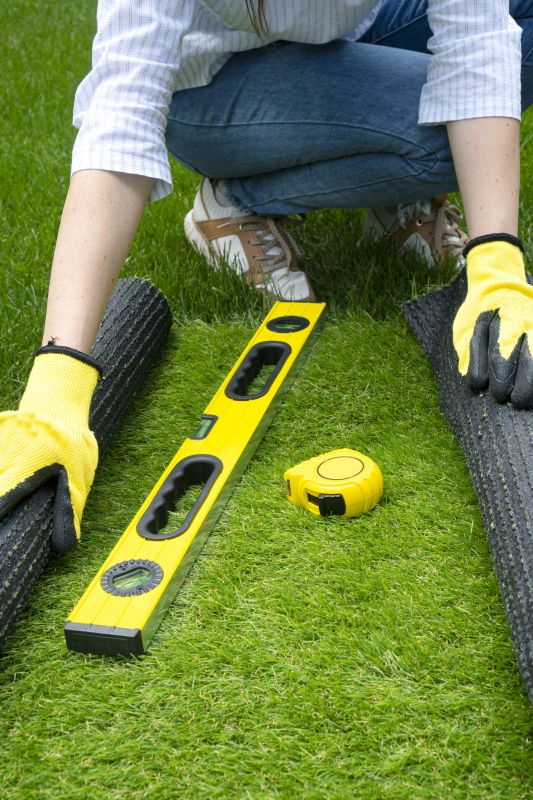
Little measurements that prevent headaches on Landscapings day.
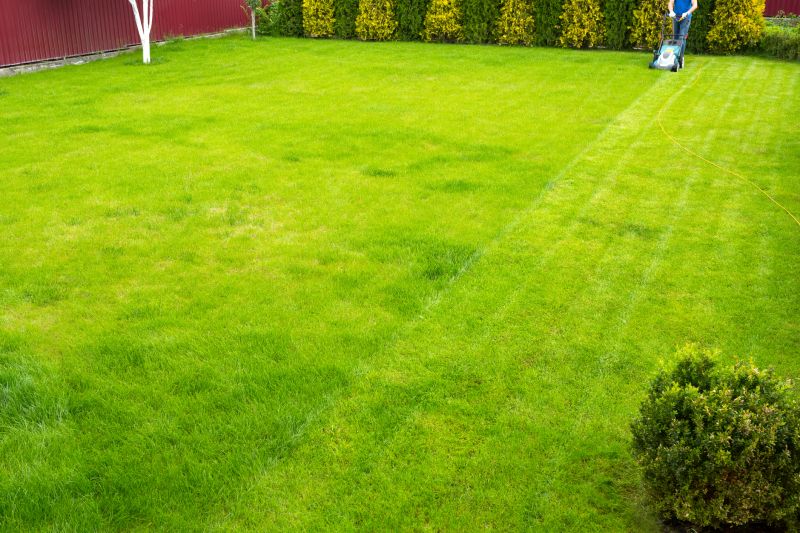
A 60-second routine that keeps Landscapings looking new.
Early planning in off-peak seasons allows for comprehensive design and material selection.
Scheduling installation during favorable weather reduces delays and ensures quality work.
Regular maintenance is more manageable when aligned with seasonal growth patterns.
Interested in enhancing outdoor spaces through landscaping? Filling out the contact form can provide tailored guidance on the optimal timing and design options for specific needs.